
Review · BARCELONA
Barcelona: Old Town Artistic Tour & Flamenco Show
Barcelona: Old Town Artistic Tour & Flamenco Show
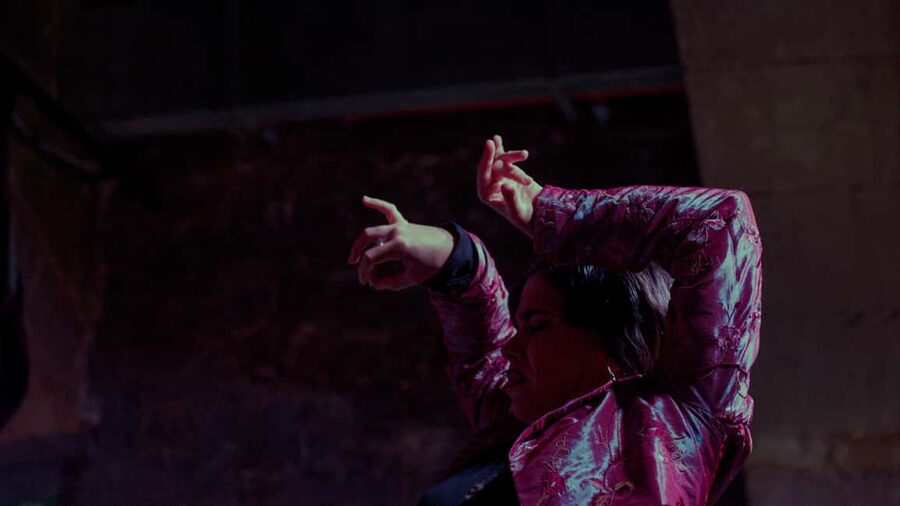
Barcelona’s creative side takes center stage on this four-hour walk, which links the rough-edged streets of El Raval with the medieval lanes of the Gothic Quarter and the old palaces of El Born. I like the way the tour uses local artist-guides to bring the streets alive, rather than treating the Old Town as a parade of famous facades. I also like the finish: an intimate flamenco performance inside Palau Dalmases, a 17th-century Baroque palace.
The main thing to consider is the amount of walking. The route crosses several historic districts, where uneven paving, narrow lanes, and busy streets are part of the setting. The group is limited to 10 people, which should make it easier to hear the guide and ask questions, but four hours is still a full outing.
Key points to know
- A creative route through three districts: El Raval, the Gothic Quarter, and El Born each show a different side of central Barcelona.
- Artist-guides shape the experience: Guides including Daniele, Marcus, Carlos, and David have used storytelling, acting, sketches, and small performances to explain the city.
- Palau Dalmases is the finale: The flamenco show takes place in a historic palace, not in a large modern theater.
- The route is packed with landmarks: Expect stops near MACBA, La Rambla, the Cathedral, Roman walls, Santa Maria del Mar, and more.
- Small groups help on narrow streets: A maximum of 10 participants suits people who prefer a more personal walk.
- At $71, the value comes from the combination: You are paying for a guided Old Town walk and a live flamenco show, but food and drinks are extra.
Starting at Plaça de la Universitat
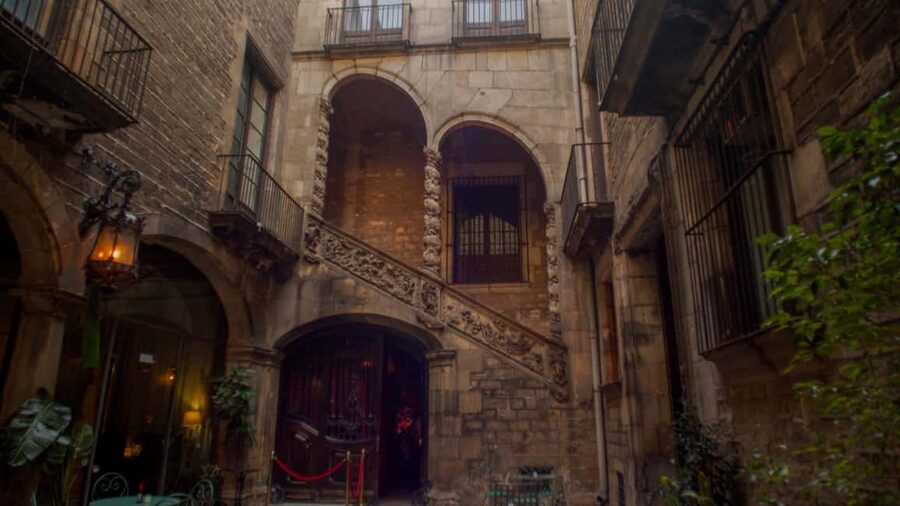
The meeting point is by the metro station in the center of Plaça de la Universitat. That is a practical place to begin, since the square sits between the modern Eixample grid and the older streets toward El Raval.
You will want comfortable shoes from the start. This is not a short stroll with a few photo stops. The route moves through several neighborhoods and includes around four hours of walking, standing, listening, and watching performances.
The small-group format matters here. With no more than 10 people, you should be able to stay close to the guide when the route enters narrow lanes. It also gives the artist-guide room to tell a story or perform without trying to project across a large crowd.
More Walking Tours with Flamenco in Barcelona
- Private Tour: Tapas, Wine & Flamenco Show in Barcelona’s Old Town
★ 5.0 · 317 reviews - Barcelona Old Town Night Small Group Tour with Tapas & Flamenco
★ 4.5 · 277 reviews - Montjuïc Walking Tour With Optional Flamenco Show
★ 5.0 · 196 reviews
El Raval, where art meets rough edges
The first part of the walk explores El Raval, one of central Barcelona’s most colorful and unpredictable districts. The tour begins around Teatre Goya, then moves along Carrer de Joaquín Costa, where street life and urban art give the neighborhood its bohemian feel.
This is a useful introduction because El Raval is not polished in the way some visitors expect central Barcelona to be. Its appeal comes from the mix of old streets, cultural venues, local life, and creative energy. The guide explains how a once-marginal quarter became a place for artists, musicians, and people looking for room to experiment.
At the Barcelona Museum of Contemporary Art, known as MACBA, the focus shifts toward modern creative culture. You stop for about 15 minutes, enough to understand the museum’s place in the neighborhood without turning the tour into an indoor museum visit.
That distinction is important. The experience includes photo stops and guided commentary, but it does not list museum entry. If MACBA is high on your Barcelona wish list, plan a separate visit rather than expecting to tour its galleries during this walk.
The Fundació Privada Casa de Misericòrdia de Barcelona and the Old Hospital de la Santa Creu add another layer. These places connect El Raval’s artistic side with its older institutions and architectural character. The guide may use sketches, anecdotes, or a short performance to help you see more than a collection of walls.
I like this opening because it gives you a better sense of Barcelona’s creative life before the tour reaches the famous medieval center. The tradeoff is that the area can feel busy and visually untidy. That is part of the point, but anyone wanting a calm, picture-perfect start may need a few minutes to adjust.
From the Liceu to La Rambla
The route then reaches the Grand Theater of Liceu and La Rambla. The Liceu stop is listed as a photo stop, so you should expect an exterior look rather than a theater performance or backstage visit.
The theater helps explain Barcelona’s long connection with music, opera, and public culture. It also sets up the later flamenco show, though the two experiences are quite different. The Liceu is grand and formal. Palau Dalmases is smaller and more intimate.
La Rambla is one of Barcelona’s best-known streets, and the tour gives you a short stop there. This is a place where practical awareness helps. Keep close to your group, watch your belongings, and do not expect the quietest section of the walk. The guide’s commentary can help you look beyond the crowds and see La Rambla as a link between the city center, the old quarters, and the waterfront.
Because the tour includes many landmarks in a single afternoon or evening, the stops are brief. That works well if you want orientation and context. It is less suitable if you prefer to linger at each site, study details, or take a long series of photographs.
Gothic lanes, Roman walls, and quiet squares
From La Rambla, the route enters the Gothic Quarter. This is where the walk becomes more architectural and atmospheric, with narrow medieval alleys, small squares, and traces of Roman Barcelona.
The Basilica de Santa Maria del Pi is one of the first major stops in this section. You will have time for photographs and an exterior introduction. The setting shows how quickly Barcelona changes from a busy commercial avenue to a much older street pattern.
Barcelona Cathedral follows, with a longer photo stop of about 15 minutes. Its scale and detailed facade make it one of the route’s stronger visual moments. The guide’s job here is to connect the building to the surrounding quarter, rather than simply point and name it.
Plaça de Sant Felip Neri offers a quieter pause. It is a small square with a more reflective mood than La Rambla or the cathedral area. The stop is short, but it gives the guide a chance to explain how Barcelona’s old quarter is made of intimate spaces as much as major monuments.
The Temple of Augustus is especially valuable for visitors who might otherwise miss Barcelona’s Roman past. A few columns remain in a tight urban setting, surrounded by later buildings. That contrast is one of the pleasures of the Gothic Quarter: Roman remains, medieval lanes, and modern city life can appear within a few minutes of one another.
The Bishop’s Bridge is another quick photo stop. Its dramatic stonework has become one of the quarter’s most recognizable details. You may have seen pictures of it before, but hearing the guide explain the surrounding streets gives the image more meaning.
This is the part of the tour where a good storyteller makes a real difference. Guides such as Marcus, who is praised for bringing legends and small details to life, or David, an actor who uses a distinctive way of explaining the past, suit this kind of route particularly well. Daniele has also been singled out for preparation, kindness, and personal warmth. Guide assignments can vary, so you should not book expecting one specific person.
Same city, a different way to hear it live:
- Barcelona: Tablao Flamenco Cordobes with Food/Drink Options
★ 4.6 · 4,368 reviews - Barcelona: Los Tarantos Flamenco Show
★ 4.5 · 3,902 reviews - Barcelona: Flamenco Show with Drink Option at La Rambla
★ 4.7 · 3,770 reviews - Tablao Flamenco Cordobes on Rambla Barcelona with Dinner Option
★ 4.5 · 2,756 reviews
El Born and Santa Maria del Mar
The walk continues into El Born, a district known for its old palaces, artisan workshops, bars, and strong sense of style. Compared with El Raval, the mood here may feel more polished, but it still has the tight streets and layered buildings that make Barcelona’s old center so enjoyable to explore on foot.
The final major stop before the show is the Cathedral of Santa Maria del Mar, often called St. Mary of the Sea. The tour allows about 10 minutes for photographs. That is enough to take in the exterior and hear an introduction, but not enough for a full interior visit or detailed architectural study.
This short stop reflects the overall design of the experience. You cover a lot of ground, moving from neighborhood to neighborhood while the guide supplies connections and stories. You are not spending an hour inside each monument. Instead, you get a broad view of Barcelona’s artistic, Roman, medieval, and social layers.
That approach is especially useful early in a Barcelona visit. It helps you decide where you want to return for a longer look. I would not use this tour as a replacement for dedicated visits to the Cathedral, Santa Maria del Mar, MACBA, or the Liceu. I would use it to understand how these places fit into the city around them.
Flamenco inside Palau Dalmases
The tour ends at Palau Dalmases, a Baroque palace in El Born. This is the experience’s clearest change of pace. After several hours of streets, squares, Roman remains, and city noise, you settle in for a live flamenco show in a historic interior.
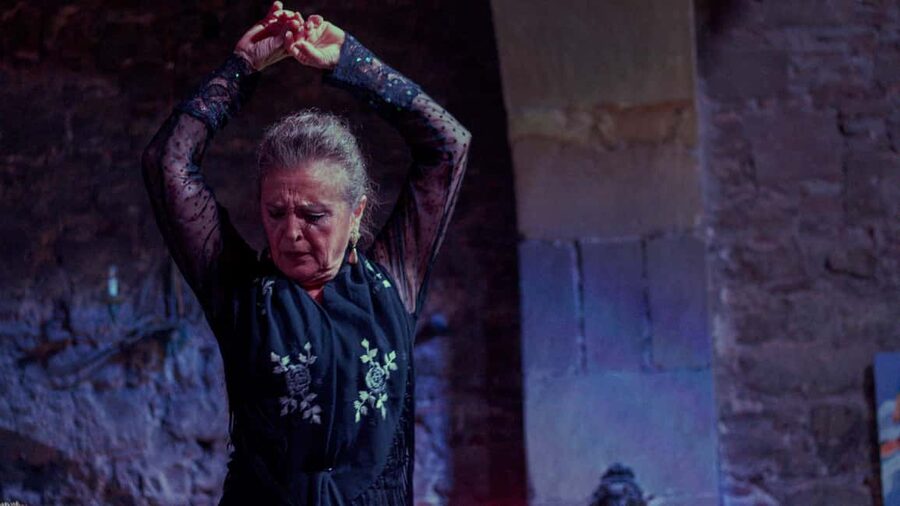
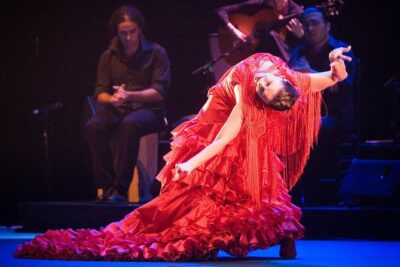
The show includes dancers, guitar, and voice. Its intimate setting is a major part of the appeal. You are not simply adding a performance to the end of a sightseeing route. You are entering a palace where the architecture and the music work together to create a strong final scene.
The flamenco finale received the strongest praise from the supplied feedback. Descriptions repeatedly highlight the performance as powerful, terrific, and unforgettable. One useful detail is that several people who booked mainly for the flamenco show ended up valuing the walking tour just as much, or even more, because it introduced streets and places they would not have found alone.
That makes the combination a smart choice if you want both culture and sightseeing in one booking. You get a live art form at the end, but you also spend the earlier hours with artist-guides who may perform, sketch, or tell stories along the way.
Food and drinks are not included. The supplied information does not describe a meal or drink service at Palau Dalmases, so you should treat the flamenco show as the included finale rather than a dinner package.
How the $71 price measures up
At $71 per person, the price is reasonable if you place value on a guided route and a live show. A four-hour walk through El Raval, the Gothic Quarter, and El Born would take time to plan on your own, and an artist-guide can add context that a map cannot. The flamenco performance gives the booking a second major component.
The value is less clear if you mainly want free time or entry into several attractions. The stops at MACBA, the Liceu, the Cathedral, Santa Maria del Mar, and other sites are primarily photo stops. Food, drinks, and separate admission to attractions are not included.
I would see this as a cultural orientation rather than a collection of ticketed visits. You pay for the route, the guide, the live artistic touches, and the flamenco show. For a first visit, that can be a useful way to connect the city’s creative present with its Roman and medieval past.
Free cancellation up to 24 hours before the experience and the reserve-now, pay-later option add flexibility. The tour is also listed as wheelchair accessible, though the historic neighborhoods include narrow streets and old paving, so it is sensible to confirm the practical route details before booking if you have specific mobility needs.
Who will enjoy this Barcelona walk
I would recommend it to first-time visitors who want a strong introduction to central Barcelona without spending the whole day inside museums. It also suits people who like live performance, local stories, and a guide with personality.
The tour is a good fit for:
- Couples looking for an evening plan with culture and music
- Solo visitors who prefer a small group instead of walking alone
- Families with older children who can manage four hours on foot
- Art and architecture fans who want MACBA, Roman remains, medieval streets, and palace interiors in one route
- Visitors who want flamenco but also want to understand the neighborhood around the venue
It may be less suitable if you dislike walking, prefer long visits inside major monuments, or want a food-focused night. The route is full, and the short stops favor variety over depth.
Bring comfortable shoes and a camera. It is also worth arriving ready for changing street conditions, since the tour moves between open squares, narrow alleys, and busy central streets.
Should you book the Old Town Artistic Tour?
I would book this if you want a story-led introduction to Barcelona followed by an intimate flamenco show. The strongest part is the pairing: El Raval’s creative edge, the Gothic Quarter’s Roman and medieval remains, El Born’s old streets, and a palace performance all fit into one well-packed route.
Choose it with realistic expectations. You will not tour every landmark inside, and you will not have long free periods for shopping or meals. But if you like moving through a city with an artist-guide, learning the small details, and ending with live music and dance, the $71 price offers solid value.
FAQ
How long does the Barcelona Old Town Artistic Tour last?
The experience lasts four hours, including the guided walk through El Raval, the Gothic Quarter, and El Born, followed by the flamenco show.
Where does the tour begin?
The meeting point is by the metro station in the center of Plaça de la Universitat.
Where does the tour finish?
The walk finishes at Palau Dalmases, where the live flamenco show takes place.
Which languages are available?
The live tour guide is available in English, French, Italian, and Spanish.
Is the flamenco show included in the price?
Yes. The guided walking tour, live performances, and flamenco show at Palau Dalmases are included. Food and drinks are not included.
How large is the group?
The tour is limited to 10 participants, making it a small-group experience.
Just added around Barcelona
- Barcelona Guitar Trio & Flamenco Show at Royal Artistic Circle★ 5.0 · 13 reviews
- Tapas and Flamenco Evening★ 4.0 · 93 reviews
- Barcelona Tapas & Wine Walking Tour with Optional Flamenco★ 5.0 · 70 reviews
- Barcelona Private Gothic Quarter Tour with Flamenco Show★ 5.0 · 6 reviews
- Private Barcelona Walking Tour with Flamenco Show & Tapas Dinner★ 5.0 · 11 reviews
- Make A Flamenco Bag With A Designer★ 4.5 · 4 reviews
- Private Tapas Walking Tour in Barcelona Old Town and Flamenco Show★ 4.5 · 19 reviews
- Authentic Flamenco Show at the Barcelona Flamenco Theater★ 5.0 · 64 reviews
Walking Tours with Flamenco, compared.
Authentic Flamenco Show with Tapas & Wine Guided Tour
Read our review →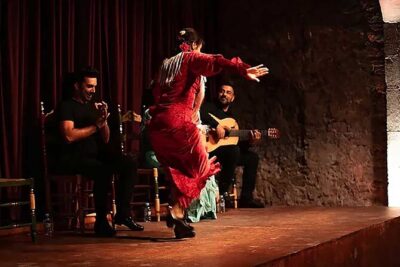
Private Tour: Tapas, Wine & Flamenco Show in Barcelona’s Old Town
Read our review →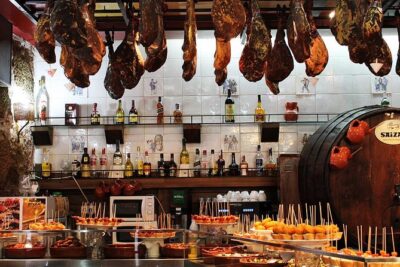
Barcelona Old Town Night Small Group Tour with Tapas & Flamenco
Read our review →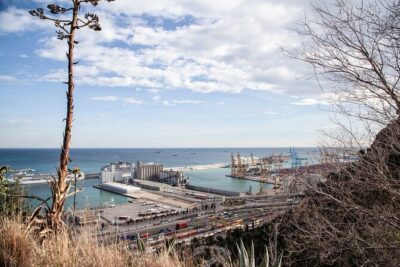
Montjuïc Walking Tour With Optional Flamenco Show
Read our review →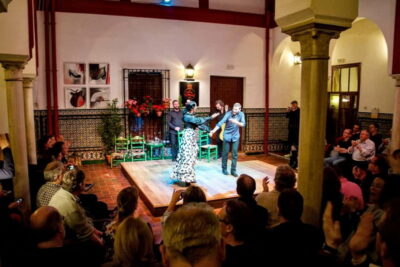
Tapas Walking Tour with Traditional Flamenco Show
Read our review →
Private Tapas & Wine with Flamenco Show Old Town
Read our review →
Barcelona Tapas & Wine Walking Tour with Optional Flamenco
Read our review →Browse the lists this tour appears in