
Review · SEVILLE
Seville: Ticket to the Flamenco Dress Museum
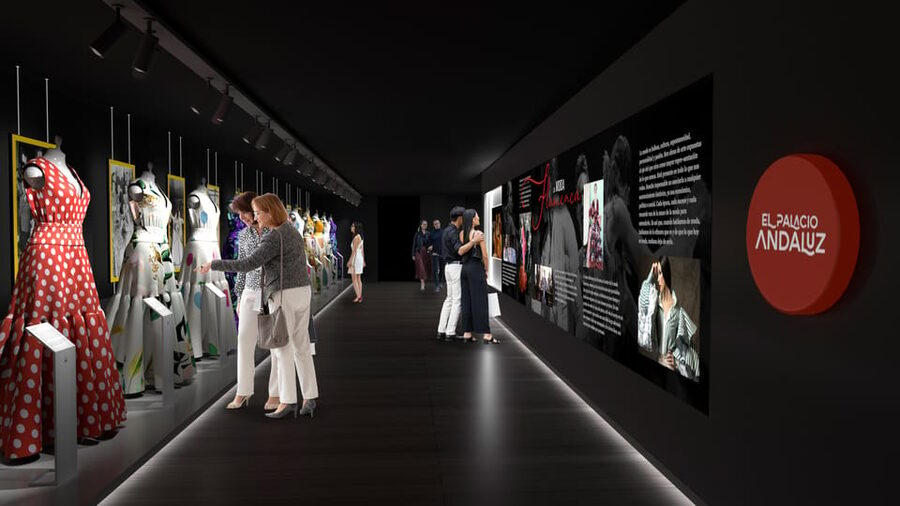
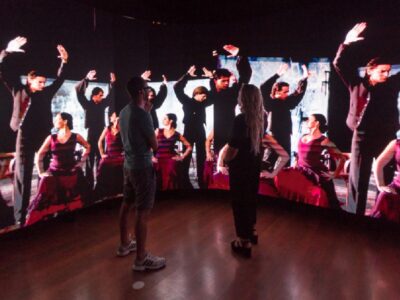
Flamenco fashion gets its own spotlight here, with a 30-minute museum visit devoted to the dresses, trains, fabrics, and changing styles behind Andalusia’s famous dance. You’ll see pieces by Spanish designers, a spectacular bata de cola, and a recreation of a fashion workshop at El Palacio Andaluz.
I like two things right away: the museum gives you a clear look at how a regional dress keeps changing with modern fashion, and the low price makes it an easy add-on to a Seville day. The main drawback is scale. The museum is very small, so you should expect a compact exhibition rather than a large collection or a long guided tour.
Key points to know before you go
- Flamenco dress changes every year: This is presented as the only regional Spanish dress that follows current fashion trends from year to year.
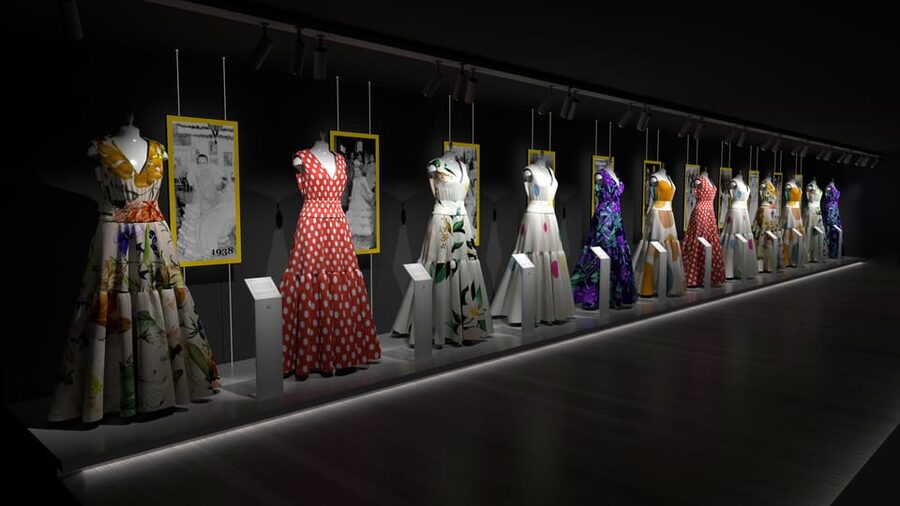
- Designer-made pieces: The displays include dresses created by flamenco fashion designers known in Spain and beyond.
- A dramatic bata de cola: The long-train dress gives the exhibition one of its most striking objects.
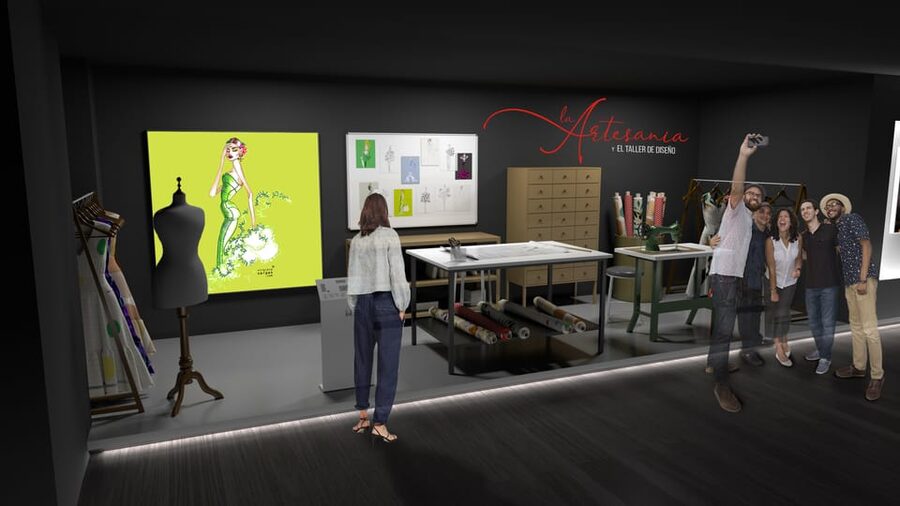
- A look behind the sewing: The workshop display shows how this Andalusian clothing is planned and made.
- Short and easy to fit in: The visit lasts 30 minutes and begins and ends at El Palacio Andaluz.
- Wheelchair accessible: The museum is listed as accessible for wheelchair users.
Why flamenco dress deserves a museum
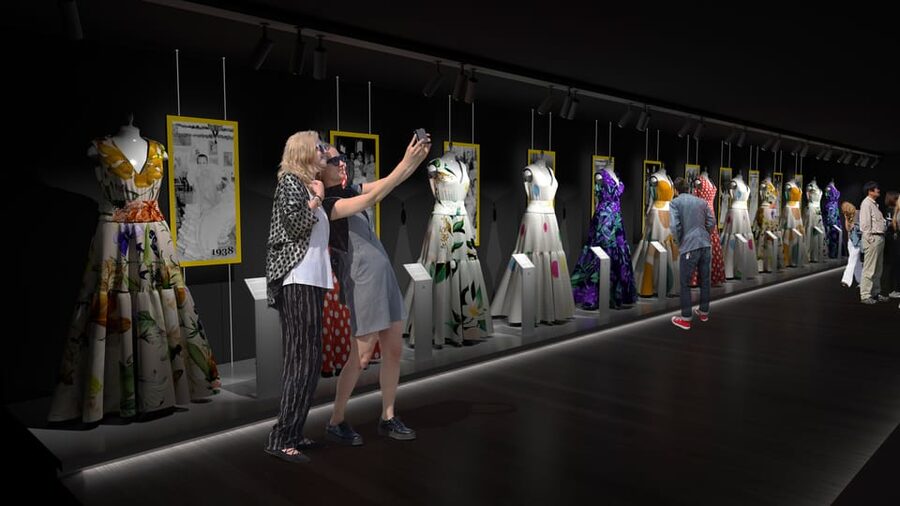
A flamenco dress is not simply a costume pulled out for a stage show. It is a living part of Andalusian culture, and its design keeps shifting with fashion. That makes this museum different from a display devoted only to old garments.
The exhibition follows the clothing from its origins to the present day. You can use that timeline to see how a regional style can keep its identity while changing its cut, decoration, and overall look. The point is not only how pretty the dresses are. It is how clothing carries music, dance, local identity, and design in one package.
I find that focus useful because flamenco is often reduced to guitar, singing, and footwork. Those are central, of course, but the dress changes the way a dancer moves and appears. A long train, rows of ruffles, and fitted shapes all affect the visual rhythm of a performance. This small museum adds that missing part of the story.
The exhibition also helps you place flamenco fashion within present-day Andalusia. Because designers still update the dress, the clothing is not frozen in the past. A traditional shape can remain recognizable while its details respond to new tastes.
More Flamenco Show Tickets in Seville
- Seville: Live Flamenco Dancing Show Ticket at the Theater
★ 4.7 · 16,396 reviews - Seville: Puro Flamenco Show with Optional Museum Ticket
★ 4.8 · 6,088 reviews - Seville: Flamenco Show Ticket at Tablao Flamenco Las Setas
★ 4.8 · 2,214 reviews
Starting at El Palacio Andaluz
Your visit starts at El Palacio Andaluz, which is also the end point. That simple arrangement matters in Seville, where a short cultural stop is often easiest to fit between meals, sightseeing, and an evening flamenco plan.
The museum visit lasts about 30 minutes. Check the available start times when you book, since the activity is offered at scheduled times rather than as an open-ended visit with no timing concerns. You will want to arrive with enough time to find El Palacio Andaluz and get ready for a compact exhibition.
Do not plan this as a half-day museum outing. Its strength is its focus. You enter, follow a short presentation of flamenco fashion, see the main pieces, and finish back at the same meeting point. If your Seville schedule is tight, 30 minutes is easy to manage. If you want lengthy labels, extensive historical material, or a broad costume collection, the small size may feel limiting.
The museum is wheelchair accessible, which makes this short cultural stop practical for more visitors. The supplied information does not describe the exact route inside or seating, so anyone needing particular assistance should confirm details before arrival.
Following the dress from its origins to today
The first part of the visit gives you the broad story: where flamenco dress began, how it developed, and how it looks now. This historic approach gives the garments context instead of presenting them as isolated fashion objects.
The most useful idea is that this is a regional dress with unusual room for change. Many traditional outfits are treated as fixed symbols of the past. Flamenco fashion works differently. It keeps a recognizable connection to Andalusia, yet designers update it in response to current styles.
As you move through the display, look for the difference between tradition and fashion. The museum presents flamenco clothing as both. It belongs to a specific cultural setting, but it also reflects design choices that shift over time. That tension is what makes the subject worth a dedicated visit.
The material supplied for the museum does not give a detailed room-by-room sequence or name individual dresses. You should therefore expect a general historical tour through the clothing rather than a scholarly presentation with extensive object data. The reward comes from seeing the overall progression and understanding why the dress remains current.
This section will work best for you if you already enjoy fashion, dance, or Andalusian culture. It also gives first-time flamenco spectators a helpful frame. After the museum, a dancer’s outfit may look less like decoration and more like a working part of the performance.
Designer gowns from Spain and beyond
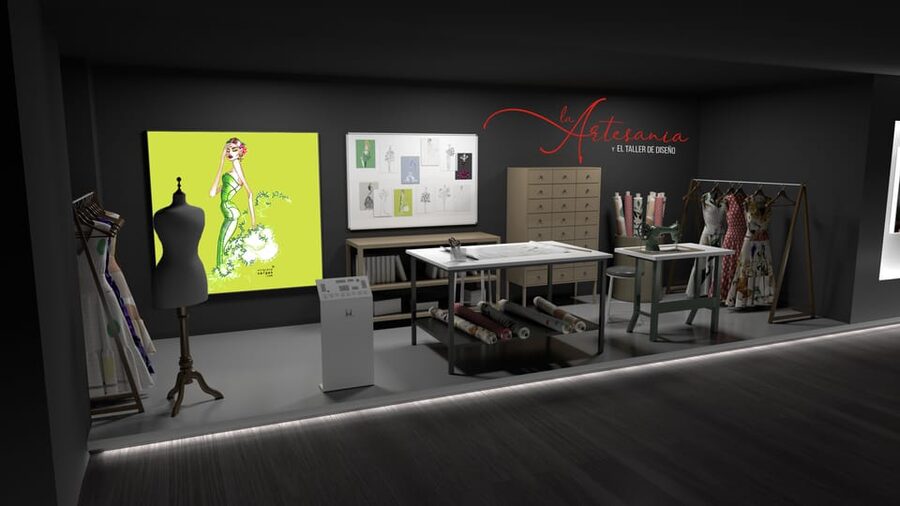
The collection includes pieces by flamenco fashion designers who are well known in Spain and internationally. That gives the exhibition a design-centered quality. You are not only looking at anonymous examples of traditional clothing. You are seeing the work of named designers within a living fashion field, even though specific designer names are not provided in the available details.
This matters because flamenco dress is not one fixed pattern. Designers interpret the form in their own ways. The collection lets you compare the clothing as fashion, not just as folklore. Shapes, trims, color choices, and the treatment of the skirt can all change while the garment remains recognizably flamenco.
One clear strength is visual appeal. The dresses are described as very beautiful, and that is easy to understand as a reason to visit. Even a small collection can work well when the pieces have strong shapes and careful decoration. You may find that the garments make their point quickly, without needing a long explanation.
At the same time, keep your expectations in check. The museum’s compact size means the number of examples is limited. If your main goal is to compare dozens of designers or study every period in detail, this will likely feel more like an introduction than a full research collection.
For most people, that is a fair trade at $4.56 per person. At this price, the museum does not need to occupy a large part of your day to offer good value. It works especially well as a short stop for anyone already interested in flamenco or planning to see a performance in Seville.
More flamenco in palaces and museums in Seville:
- Seville: Flamenco at El Palacio Andaluz with Optional Dinner
★ 4.6 · 1,319 reviews - Seville: Puro Flamenco Show – Museo del Baile Flamenco
★ 5.0 · 781 reviews - Seville: Museum of Flamenco Dance Admission Ticket
★ 4.4 · 197 reviews - Flamenco Show at El Palacio Andaluz Admission Ticket in Seville
★ 4.5 · 136 reviews
The bata de cola makes the visit memorable
The collection includes a bata de cola, the dramatic flamenco dress with a long train. This is one of the clearest reasons to pay attention to the display rather than rushing through it.
A long train changes the scale of the garment. It adds length behind the dancer and gives movement a strong visual effect. Even when the dress is displayed rather than worn, the train helps you understand why flamenco clothing can be so striking on stage.
For me, this is the object that gives the visit a strong focal point. A standard dress can show fashion details, but the bata de cola also suggests motion. It connects the museum display to the dance itself, which is useful if you have only seen flamenco from the audience and have not thought much about how the clothing works.
The available information does not say how the dress is presented or whether a demonstration accompanies it. Expect to see the garment as part of the exhibition, not to take part in a dance lesson or costume fitting. The museum ticket covers the visit to the Flamenco Dress Museum, and the stated duration remains 30 minutes.
Behind the scenes in the workshop
A representation of a flamenco fashion workshop forms another part of the museum. This is a welcome choice because finished dresses can seem almost magical when you do not see the work behind them.
The workshop display is meant to show what happens during the planning and making of the clothing. It gives you a sense of the process behind the final gown, from the first idea to the completed Andalusian design. The supplied details do not specify the tools, materials, or individual stages shown, so I would treat this as a visual introduction rather than a hands-on craft class.
Still, the workshop adds an important human element. A dress is not just a bright object on a stand. It has to be imagined, cut, assembled, and finished. That perspective helps explain why flamenco fashion can sit between clothing design, craft, and performance art.
If you enjoy costume museums, this part may interest you as much as the finished garments. If you mainly want photographs of famous dresses, you may move through it quickly. The short format lets you choose your own emphasis, but it also means you should not expect a long technical demonstration.
How much time should you allow?
The official duration is 30 minutes, and you should plan around that exact figure. This is long enough to see the main exhibition without making it a major commitment, but short enough that you will need to keep moving if you want to take in every section.
I would place it on a day when you are already near El Palacio Andaluz or when you want a small cultural activity between larger plans. It can fit before lunch, between sightseeing stops, or ahead of an evening flamenco-related outing. Since the visit starts and ends at the same place, you do not need to arrange transport between separate points.
The short format also sets a useful limit. You are not buying a full guided history of Andalusia, and the activity does not promise a flamenco performance. You are buying access to a focused exhibition about dress. That distinction helps you judge the value fairly.
The museum’s small size is the one practical caution to keep in mind. A visitor who expects a large gallery could feel finished sooner than expected. I would see that as a reason to plan the visit around another Seville activity, not necessarily as a reason to skip it.
Is $4.56 a good value?
At $4.56 per person, the museum is inexpensive by Seville sightseeing standards. The price is strongest when you want a quick, specific introduction to flamenco culture rather than an all-day attraction.
You are paying for a 30-minute visit that includes the historic presentation, designer dresses, the bata de cola, and the workshop representation. The low cost also makes the museum practical for families, budget-conscious visitors, or anyone deciding at the last minute how to fill a gap in the day.
Value depends on your interest. If you love fashion, costume, dance, or Andalusian culture, the clothing itself gives the ticket a clear purpose. If you are looking for a large museum with many rooms and hours of material, the small exhibition may not meet your needs even at this price.
You can also reserve now and pay later, which keeps your plans flexible. Free cancellation is available up to 24 hours in advance for a full refund. Those terms are useful if your Seville schedule is still changing, but the main value remains the focused subject and very low admission cost.
Who should book this museum visit?
I would recommend it most strongly to people who already plan to explore flamenco in Seville. The museum gives you a better eye for the clothing before or after a performance, and the bata de cola connects the display to the movement of the dance.
It also suits fashion fans who want to see Spanish design through a distinctly Andalusian form. You do not need advanced knowledge of flamenco. The historical progression and workshop display provide enough structure for a first visit.
Families may appreciate the 30-minute length, especially if younger members are unlikely to manage a long museum. Wheelchair users can also consider it because the activity is listed as accessible.
I would be more cautious if you want a large collection, a named guide, a live demonstration, or a long lecture. No guide names, group size, or detailed commentary are provided. The museum’s value comes from its compact visual presentation, not from a full tour service.
Booking decision
Book this if you want a low-cost, focused look at flamenco fashion and can spare 30 minutes near El Palacio Andaluz. The designer garments, long bata de cola, and workshop display offer more cultural context than a quick photo stop, while the price keeps the risk small.
Skip it if your schedule is packed or if you only want a live flamenco performance. The museum is very small, so its appeal depends on your interest in clothing and design. For the right visitor, it is a smart short stop that explains an often overlooked part of Andalusian culture.
FAQ
Where does the Flamenco Dress Museum visit begin?
The visit begins at El Palacio Andaluz.
Where does the activity end?
The activity ends back at the meeting point at El Palacio Andaluz.
How long does the museum visit last?
The stated duration is 30 minutes.
What does the ticket include?
The ticket includes a visit to the Flamenco Dress Museum.
What can I see in the museum?
You can see the history, evolution, and current trends of flamenco fashion, dresses by flamenco fashion designers, a bata de cola, and a representation of a fashion workshop.
Does the museum cover modern flamenco fashion?
Yes. The exhibition follows flamenco fashion from its origins to the present day and explains that the dress changes with current fashion trends.
Is the museum wheelchair accessible?
Yes. The activity is listed as wheelchair accessible.
What does admission cost?
The listed price is $4.56 per person.
Can I cancel for a refund?
Yes. You can cancel up to 24 hours in advance for a full refund.
Do I have to pay when I book?
No. The reserve now and pay later option lets you book without paying immediately.
More Museum Visits in Seville
- Combined ticket: Puro Flamenco Show + Flamenco Museum visit
★ 4.5 · 132 reviews - Seville Flamenco Show with Dinner and Flamenco Costume Museum
★ 4.5 · 5 reviews - Private Tour Prado Museum & City Tour with Flamenco
★ 4.0 · 4 reviews
Just added around Seville
- Unforgettable Seville: Tour of Seville and the Jewish Quarter + Flamenco Show★ 4.0 · 4 reviews
- Tapas and Flamenco in Seville★ 4.5 · 34 reviews
- Espectáculo Flamenco Tablao “Las Setas”★ 5.0 · 59 reviews
- Seville Pure Flamenco Tour★ 3.5 · 5 reviews
- Flamenco show in the heart of Triana★ 4.5 · 55 reviews
- Seville Flamenco Show with Dinner and Flamenco Costume Museum★ 4.5 · 5 reviews
- Seville Pass: Cathedral + Alcazar + Flamenco Show★ 3.5 · 2 reviews
- Seville Private Tapas & Wine Experience with Flamenco Show★ 5.0 · 7 reviews
Flamenco at Palaces & Museums, compared.
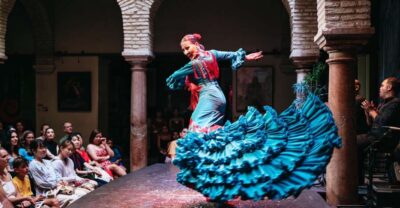
Puro Flamenco Show with Optional Museum Ticket
Read our review →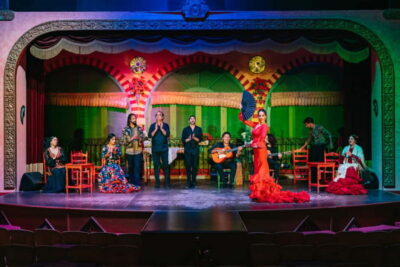
Flamenco at El Palacio Andaluz with Optional Dinner
Read our review →
Flamenco Show at El Palacio Andaluz Admission Ticket in Seville
Read our review →Browse the lists this tour appears in